Shoulder Pain Treatment
in Queens, NY
Shoulder pain usually comes from the rotator cuff, the bursa above it, the joint capsule, or the joint surfaces themselves, and most cases improve without surgery. At Queens Pain Clinic in Rego Park, we find the source with an exam and ultrasound, then treat it with image-guided injections, PRP, hydrodilatation, and physical therapy. Many patients feel real improvement within a few weeks to a few months, depending on the diagnosis.
The shoulder is the most mobile joint in your body, and that freedom comes with a trade-off. A small group of tendons, the rotator cuff, keeps the ball of the arm bone centered in a shallow socket. When those tendons get irritated, torn, or pinched, you notice it when you reach for a seat belt, lift a grocery bag, or roll onto that side at night.
Call 1-877-97 NO PAIN to book. We treat shoulder pain from Rego Park, Forest Hills, Elmhurst, Middle Village, and across Queens.
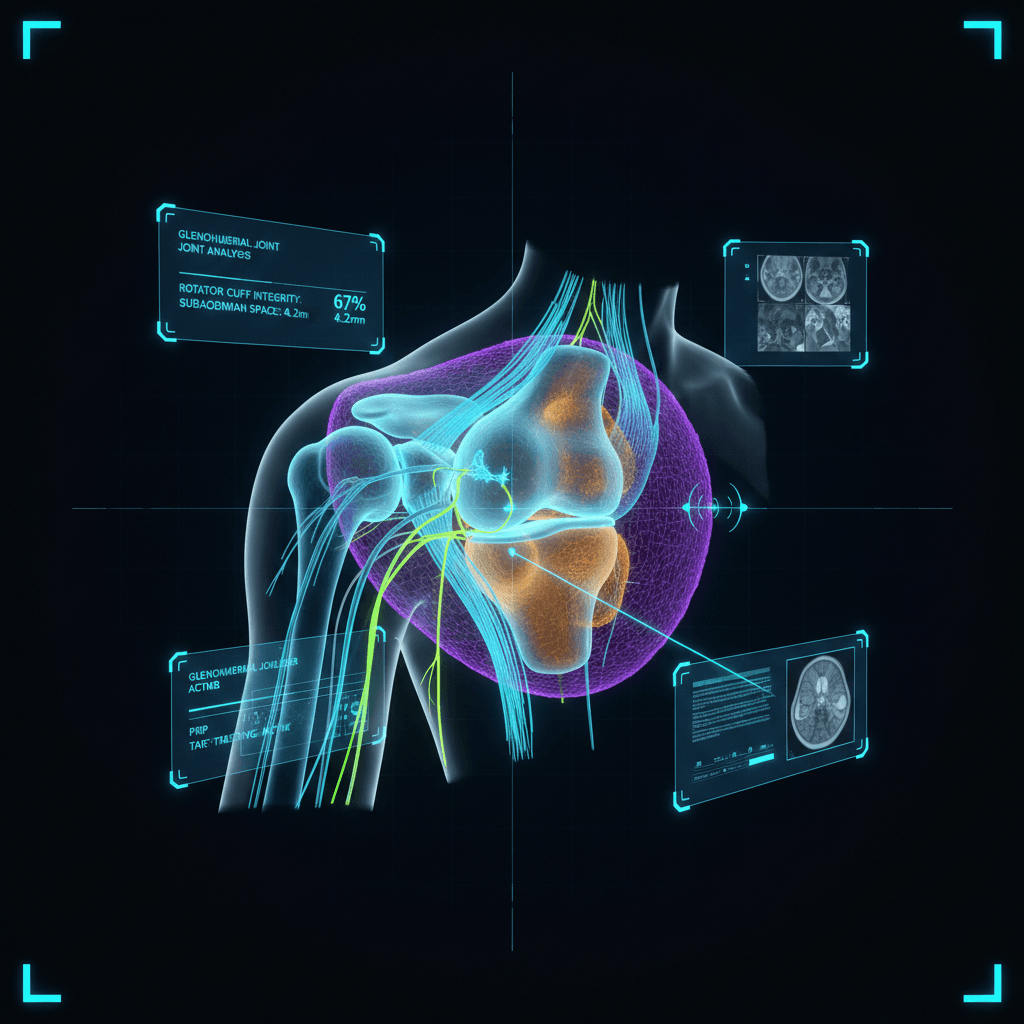
What causes shoulder pain?
Here are the problems we see most often, and how each one tends to feel. Many people have more than one at once. We treat athletes, construction and warehouse workers, nurses, office workers, and retirees, and the cause is rarely the same twice. That is why we start with a diagnosis, not a standard injection.
Rotator cuff tendinopathy or tear
Aching at the front or side of the shoulder, weakness when lifting the arm, pain that wakes you at night.
Overhead workers, athletes, adults over 40.
Impingement and subacromial bursitis
A pinch or catch when raising the arm, often worst partway up.
Painters, swimmers, people who spend long hours at a desk.
Frozen shoulder (adhesive capsulitis)
Deep ache that gives way to stiffness; reaching overhead or behind your back becomes hard.
Adults 40 to 60, women more often, people with diabetes or thyroid disease.
Glenohumeral arthritis
Grinding, deep ache, stiffness that eases with movement and returns with rest.
Older adults, or anyone with a past dislocation or fracture.
AC joint arthritis
Pain on top of the shoulder, worse when reaching across the body.
Lifters, people with a past shoulder separation.
Calcific tendinitis
Sudden, sharp pain, sometimes with no injury.
Adults roughly 30 to 60.
Biceps tendinopathy
Ache at the front of the shoulder that can run down the upper arm.
Repetitive lifters and throwers.
Labral tear or instability (including SLAP tears)
Clicking, catching, or a sense that the shoulder slips.
Throwers, people with a past dislocation or loose joints.
Nerve-related pain
Burning, tingling, or pain that travels below the elbow and shifts with neck position.
Anyone with neck problems, a nerve entrapment, or thoracic outlet syndrome.
Not every shoulder problem starts in the shoulder. Neck disc and nerve problems can refer pain into it, so we check the neck when your symptoms point that way.
How we find the cause
We begin with your story: where it hurts, what you were doing when it started, what makes it worse, and whether the nights are rough. A hands-on exam then checks your motion, your strength, and the specific movements that reproduce the pain.
When the exam alone is not enough, we use ultrasound in the room to watch the tendons and bursa move, and we may order an X-ray or MRI. Sometimes a small diagnostic injection answers the question better than a scan does. If numbing one spot takes the pain away, we have found where it comes from.
Shoulder pain treatment options in Queens
Ultrasound-Guided Corticosteroid Injections
For bursitis and impingement, a corticosteroid injection into the subacromial space calms the inflammation that is crowding the rotator cuff. Relief often lasts weeks to a few months, which lets you do the strengthening work that hurt too much before. We space injections out and do not treat them as a long-term plan, because repeated steroid exposure can weaken tendon tissue. The same approach applies to injections into the AC joint for arthritis pain on top of the shoulder.
PRP (Platelet-Rich Plasma) Therapy
PRP starts with a small sample of your own blood, spun to concentrate the platelets and injected under ultrasound into the injured tendon. It is mostly used for partial rotator cuff tears and tendinopathy that has not responded to therapy. The research is encouraging but not settled, and improvement tends to build over weeks. Insurance coverage is limited, so we go over costs before you decide.
Hydrodilatation for Frozen Shoulder
Fluid and a corticosteroid are injected into the joint capsule to stretch it and reduce inflammation. We pair it with guided stretching so the motion you regain stays. Frozen shoulder runs a long natural course, often a year or more, and this treatment can shorten the stiff, painful stretch for many patients.
Prolotherapy for Chronic Instability
Dextrose injections irritate loose ligaments and capsule tissue into tightening up. The evidence is thinner than for the other options, so we consider it case by case, mainly for long-standing looseness that therapy has not fixed.
Physical Therapy & Rehabilitation
Injections rarely work alone. Our therapists build a plan around your diagnosis: rotator cuff strength, shoulder blade control, and mobility work, progressing as pain allows. The goal is to fix the movement pattern that overloaded the shoulder in the first place, so the pain does not simply return.
Medication Choices That Avoid Long-Term Opioids
For most shoulder conditions, targeted treatment works better than staying on pain pills. We favor injections, therapy, and short, carefully chosen medication plans over long-term opioid prescriptions.
Benefits of Interventional Shoulder Treatment
Our board-certified interventional pain specialists work alongside licensed physical therapists, so your injections and your rehab are planned together rather than handed off between offices.
We find the source with an exam and ultrasound before choosing any treatment
Injections, therapy and short medication plans instead of long-term opioid prescriptions
Ultrasound guides injections so treatment lands where the problem is
Injections and physical therapy are planned together, not handed off between offices
When surgery is the right call
Some shoulders need a surgeon, and we will tell you when yours does. Examples include:
If your exam or imaging points that way, we refer you promptly. We would rather send you to the right specialist than keep you in treatment that will not fix the problem.
Call 911 or go to an emergency room if shoulder or arm pain comes with chest pressure, shortness of breath, or sweating; if the shoulder looks deformed after a fall or accident; or if the joint is hot, red, and swollen and you have a fever. Sudden inability to lift your arm after an injury also needs prompt evaluation.
How long does recovery take?
Timelines depend on the diagnosis, how long the problem has been there, and how closely the plan is followed.
Often a few weeks once the inflammation settles and rehab begins.
Typically two to three months, sometimes longer.
Many months even with treatment, since the condition runs its own course.
Pain control is usually quick to start, but this is ongoing management, not a one-time fix.
We give you a realistic range at your first visit, and we adjust it as you respond.
Hurt your shoulder in a car accident or on the job?
We also treat auto injury and workers' compensation patients.
Shoulder conditions we treat
Rotator Cuff & Tendon
- Rotator cuff tendinopathy or tear
- Calcific tendinitis
- Biceps tendinopathy
Impingement & Bursa
- Impingement
- Subacromial bursitis
Joint & Capsule
- Frozen shoulder
- Glenohumeral arthritis
- AC joint arthritis
- Labral tears and instability
Nerve & Referred Pain
- Nerve-related shoulder pain
- Cervical radiculopathy
- Thoracic outlet syndrome
- Car accident and workplace shoulder injuries
What to expect at your first visit
Bring a photo ID, your insurance card, a list of your medications, and any earlier X-rays, MRIs, or reports. Wear a top that lets us see and move your shoulder.
You will have an exam, and we will talk through what we find.
You leave with a plan and a realistic timeline. If the schedule allows, we can start treatment the same day.
Get your shoulder looked at
Queens Pain Clinic has served Queens since 2004. Our board-certified interventional pain specialists work alongside licensed physical therapists, so your injections and your rehab are planned together rather than handed off between offices.
9701 66th Ave, Rego Park, NY 11374
1-877-97 NO PAIN
- Monday9:00 a.m. – 6:00 p.m.
- Tuesday9:00 a.m. – 6:00 p.m.
- WednesdayClosed
- Thursday9:00 a.m. – 6:00 p.m.
- Friday9:00 a.m. – 6:00 p.m.
- SaturdayClosed
- Sunday9:00 a.m. – 3:00 p.m.
Shoulder Pain FAQ
Get your shoulder looked at
Call 1-877-97 NO PAIN or request an appointment online. When the schedule allows, we offer same-day evaluations, so call early in the day.
This page is for general information and is not medical advice. Results vary from person to person. Talk with a qualified physician before starting any treatment.