Pain Management
Doctors in Queens, NY
If back, neck or nerve pain has hung around for months, it usually has a specific cause, and a specific fix is often possible. Queens Pain Clinic is an interventional pain practice in Rego Park. We find where the pain is coming from, then treat it with targeted, image-guided procedures, medication management and physical therapy, depending on what your case calls for.
Medicare, Medicaid and many commercial plans accepted

What does Queens Pain Clinic treat?
We treat chronic back pain, neck pain, sciatica, herniated discs, spinal stenosis, joint pain, nerve pain (neuropathy), complex regional pain syndrome and pain that continues after surgery or a car accident. Our office is at 9701 66th Ave in Rego Park, Queens, and we see patients from across all five boroughs.
- Board-certified physicians
- Serving Queens since 2004
- Image-guided procedures
- Auto injury and workers' comp cases welcome
- Same-day visits often available

What is Queens Pain Clinic?
Queens Pain Clinic is a board-certified interventional pain medicine practice in Rego Park, Queens, NYC. We have been treating pain in the borough since 2004. Our patients are mostly people who have already tried the usual first steps, such as over-the-counter medication, rest, chiropractic care or a round of physical therapy, and are still hurting.
Interventional pain physicians do things a primary care doctor typically can't. We use live X-ray (fluoroscopy) to guide a needle to the exact joint, nerve or spinal level that is causing symptoms. That lets us confirm the source of pain, calm it with an injection or a nerve procedure, and in many cases keep patients from needing daily opioid medication. It does not always work, and we'll tell you straight if we think your case needs a surgeon instead.
What to expect at your first visit
A real conversation.
We ask where it hurts, what makes it worse, and what you've already tried. Bring any MRI, X-ray or CT reports, plus your medication list.
A focused exam.
We look at how you move, test strength and reflexes, and review your imaging ourselves rather than relying only on the radiology summary.
A plan in plain English.
You leave knowing what we think is causing the pain, what the options are, how long each usually takes to work, and what insurance is likely to cover.
When the plan includes a procedure, many can be scheduled quickly and are done in the office as outpatient treatments. Read more about your first visit →
What pain treatments do we offer?
We offer epidural steroid injections, facet joint and sacroiliac joint injections, radiofrequency ablation, spinal cord stimulation, peripheral nerve stimulation, platelet-rich plasma (PRP), prolotherapy, trigger point injections, nerve blocks and ketamine infusion, alongside physical therapy, acupuncture and functional medicine. The right one depends on your diagnosis, not on what we happen to offer.

Epidural steroid injection
Delivers anti-inflammatory medication near an irritated spinal nerve. Commonly used for herniated discs, spinal stenosis and sciatica. Done with X-ray guidance, usually in under 30 minutes.
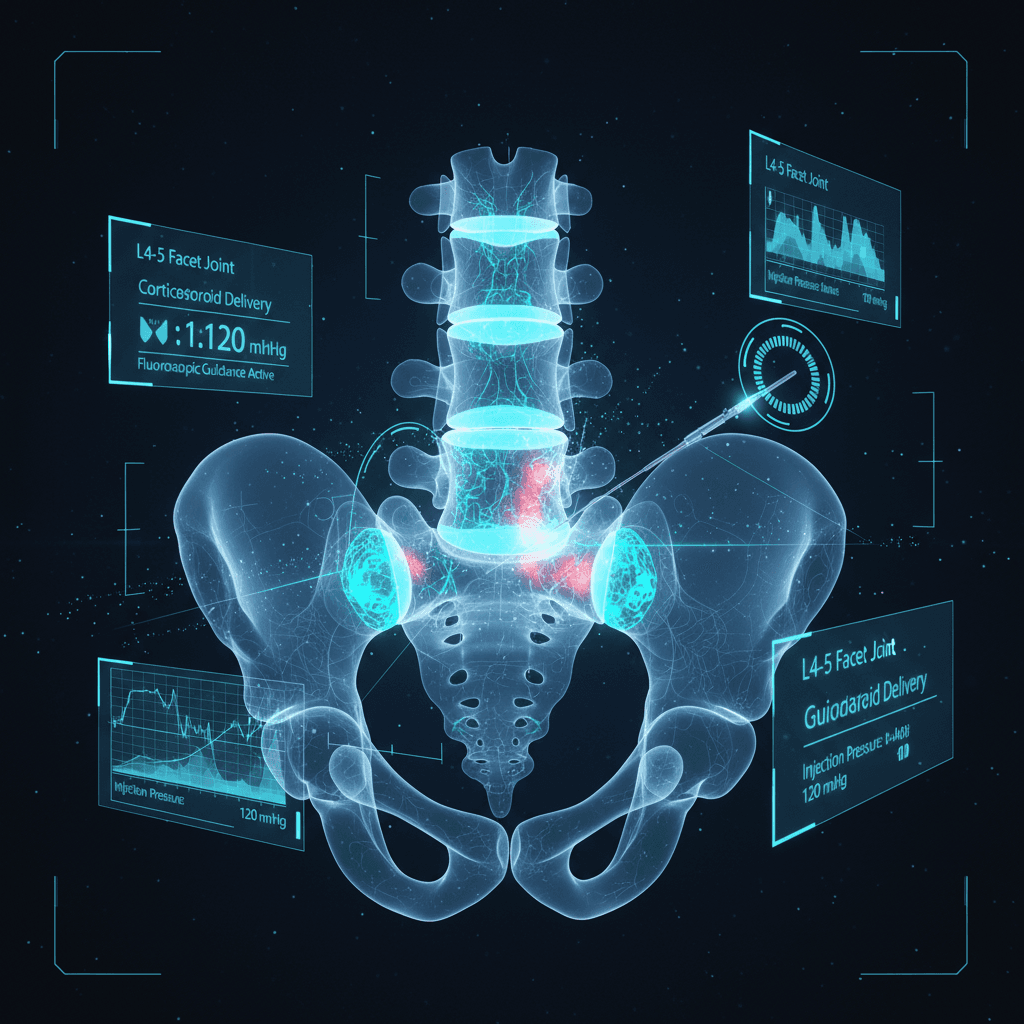
Facet joint & sacroiliac joint injection
Treats pain that comes from the small joints along the spine or the joint where the spine meets the pelvis. Often also used to confirm the pain source before a longer-lasting procedure.
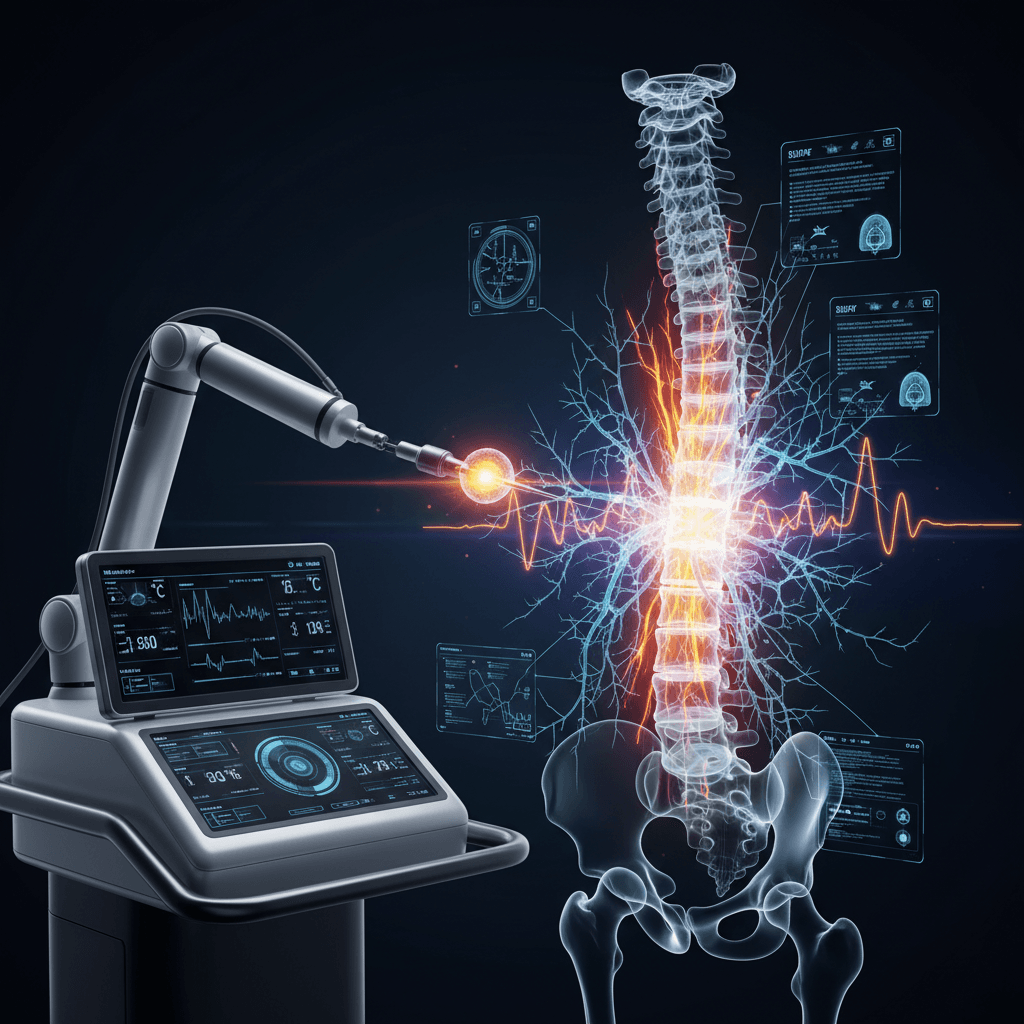
Radiofrequency ablation
Uses heat to quiet the small nerves carrying pain signals from an arthritic joint. Typically considered after a diagnostic block gives temporary relief. Relief can last many months for some patients, though results vary.
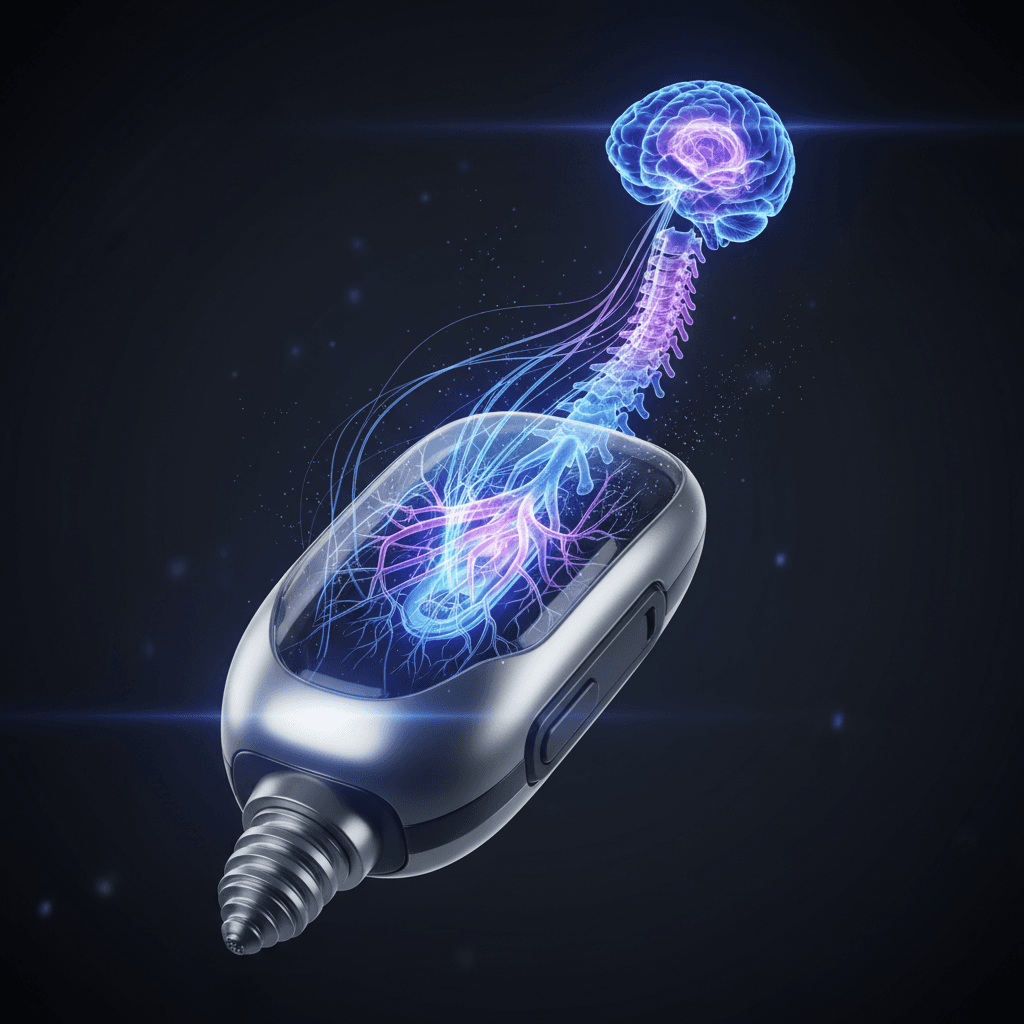
Spinal cord & peripheral nerve stimulation
A small implanted device sends mild electrical pulses that change how pain signals reach the brain. Usually reserved for chronic pain that hasn't responded to other treatment, and a trial period comes first.

PRP & prolotherapy
Regenerative injections aimed at tendon, ligament and joint pain. Evidence is stronger for some conditions (such as knee osteoarthritis and tendon injuries) than others, and we'll go over that honestly.
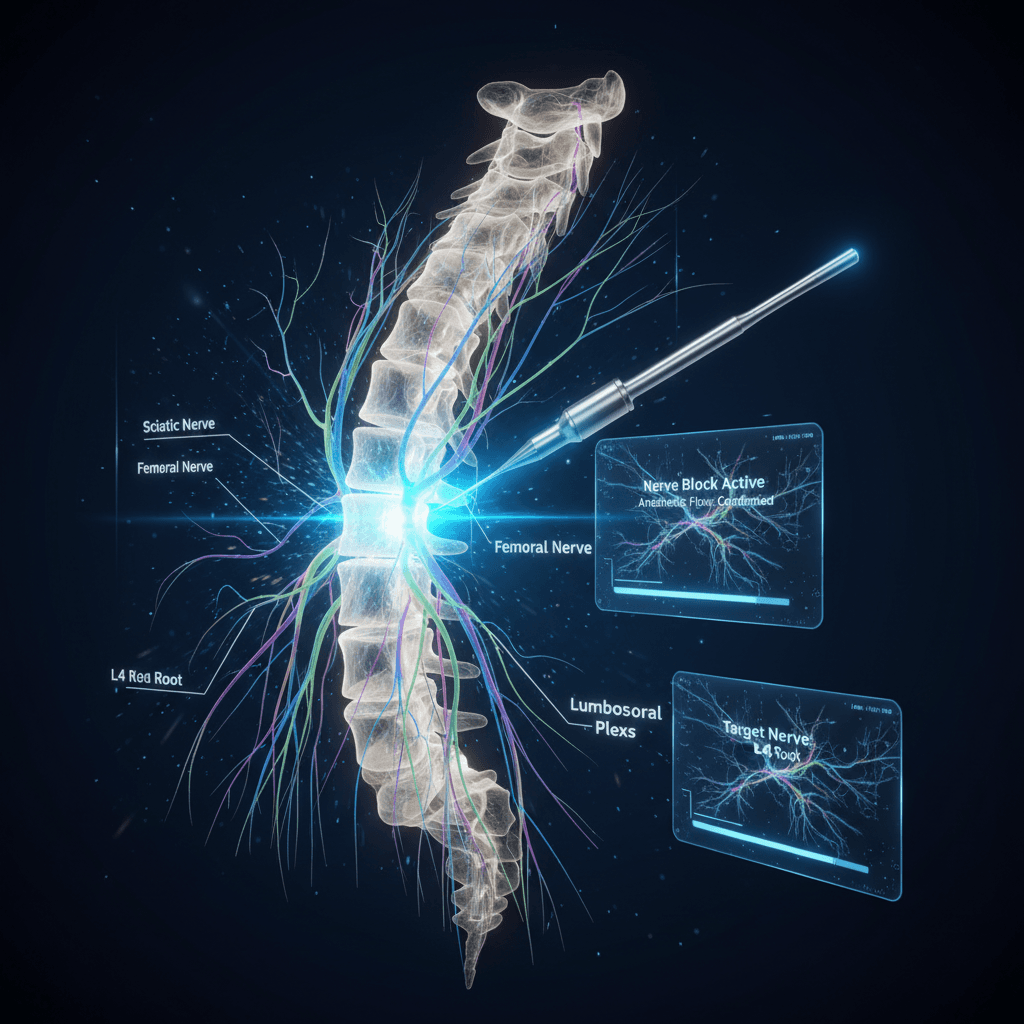
Trigger point & nerve block injections
Short procedures for muscle knots, nerve entrapment and localized pain. Can provide relief on their own or help us work out where a problem is starting.

Ketamine infusion
An option for certain hard-to-treat nerve pain conditions, including some cases of CRPS, supervised by a physician. This use is considered off-label, so we discuss risks and fit carefully.

Physical therapy, acupuncture, functional medicine
Non-procedural care that often works alongside injections. The goal is a plan that lasts, not just a good week.
What conditions do we treat?
Most of our patients come in with spine, joint or nerve pain. Here is what that looks like in practice.
Low back pain
Pain in the lower back that has lasted more than about three months. Common causes include disc degeneration, arthritis in the facet joints, and sacroiliac joint problems.
Sciatica and radiculopathy
Pain, tingling or numbness that travels from the spine down a leg or arm, usually because a disc or bone spur is pressing on a nerve root.
Neck pain
Stiffness and aching in the neck, sometimes with pain into the shoulder or arm, or headaches that start at the base of the skull.
Spinal stenosis
A narrowed spinal canal. People notice leg pain or heaviness when standing or walking that eases when they sit or lean forward.
Joint pain
Hip, knee, shoulder and sacroiliac pain from arthritis or injury, when medication and therapy haven't been enough.
Neuropathy
Burning, tingling or numbness from nerve damage, often related to diabetes, chemotherapy or an unknown cause.
CRPS and sympathetic pain
Complex regional pain syndrome causes severe, often burning pain in a limb, typically after an injury. Early evaluation matters.
Post-surgical pain
Pain that continues after spine or joint surgery, sometimes called failed back surgery syndrome.
Tailbone pain (coccydynia)
Pain at the base of the spine, usually worse when sitting. Often follows a fall or childbirth.
Fibromyalgia
Widespread pain with fatigue and poor sleep. Treatment is usually a combination of approaches rather than a single procedure.
Auto accident and work injuries
We evaluate and treat injuries from car accidents and workplace incidents, and we are familiar with no-fault and workers' compensation paperwork in New York.
How do I know if I need a pain specialist?
See a pain specialist if pain has lasted longer than three months, keeps coming back, travels into an arm or leg, or hasn't improved with the treatment you've already tried.
Sudden weakness, loss of bladder or bowel control, or numbness in the groin area is different. Those can signal an emergency, and you should go to an ER right away.
Why patients choose us
Diagnosis comes first.
Treating pain without knowing where it starts is guesswork. We use exam findings, your imaging and, when needed, diagnostic injections to find the source.
Procedures are one tool, not the whole plan.
Many patients also work with physical therapy and adjust medications. We're not trying to put everyone through the same procedure.
Honest about odds.
Every treatment works well for some people and poorly for others. We explain which group you’re more likely to fall into, and when surgery is the better route we say so.
Easy to reach.
We're in Rego Park near the Queens Boulevard subway lines and bus routes, and we help with insurance pre-authorization.
Frequently asked questions
Pain injections performed by trained physicians with imaging guidance are generally considered safe. Most patients have temporary soreness at the injection site. Serious complications such as infection, bleeding or nerve injury are uncommon, and we review your specific risks, including blood thinners and allergies, before any procedure.
Visit us in Rego Park, Queens
- Clinic
- Queens Pain Clinic
- Address
- 9701 66th Ave, Rego Park, NY 11374
- Phone
- 1-877-97 NO PAIN
- Hours
- Mon, Tue, Thu, Fri9:00 AM–6:00 PMWednesday and SaturdayClosedSunday9:00 AM–3:00 PM
- Insurance
- Medicare, Medicaid, many commercial plans, no-fault and workers' compensation
Ready to talk?
If you've been living with pain for months and aren't sure what to do next, a consultation is a good place to start. Call 1-877-97 NO PAIN or request an appointment online, and our care coordinators will check your insurance and find a time that works. We reply to online requests within one business day.
Medical disclaimer: The information on this website is for general education and is not medical advice. Individual results vary. Talk with a qualified physician before starting any treatment. If you're having a medical emergency, call 911.