8 Common Places the Body Holds Chronic Pain (And How to Target the Root Cause)
Chronic pain often signals an irritated nerve, joint, disc or tendon that needs targeted attention. Queens Pain Clinic takes a coordinated, opioid-sparing approach built around the source of your pain, combining image-guided procedures, regenerative therapies, physical therapy and careful medication review.
Living with chronic pain can make the simplest daily tasks, like turning a doorknob, climbing stairs or getting a good night's sleep, feel like an uphill battle. When a localized ache lingers for more than a few days, it is rarely just a passing strain. It is often a sign that an underlying nerve, joint, disc or tendon is irritated and needs targeted attention.
At Queens Pain Clinic, we believe in a coordinated, opioid-sparing approach to recovery. Our board-certified interventional pain specialists build treatment around the source of your pain instead of only masking it, often combining image-guided procedures, regenerative therapies, physical therapy and careful medication review. Below are 8 common problem areas, what may be causing your discomfort, and the deep-dive guides that will help you take your next step toward relief.

Deep-Dive Patient Resource
New to pain management? Read our overview: Pain Management in New York: Treatment That Helps You Move Again.
Medical disclaimer: This article is for information only and is not medical or legal advice. Individual results vary. Talk with a qualified physician before starting any treatment, and with an attorney about legal questions.
Lower Back Pain & Sciatica
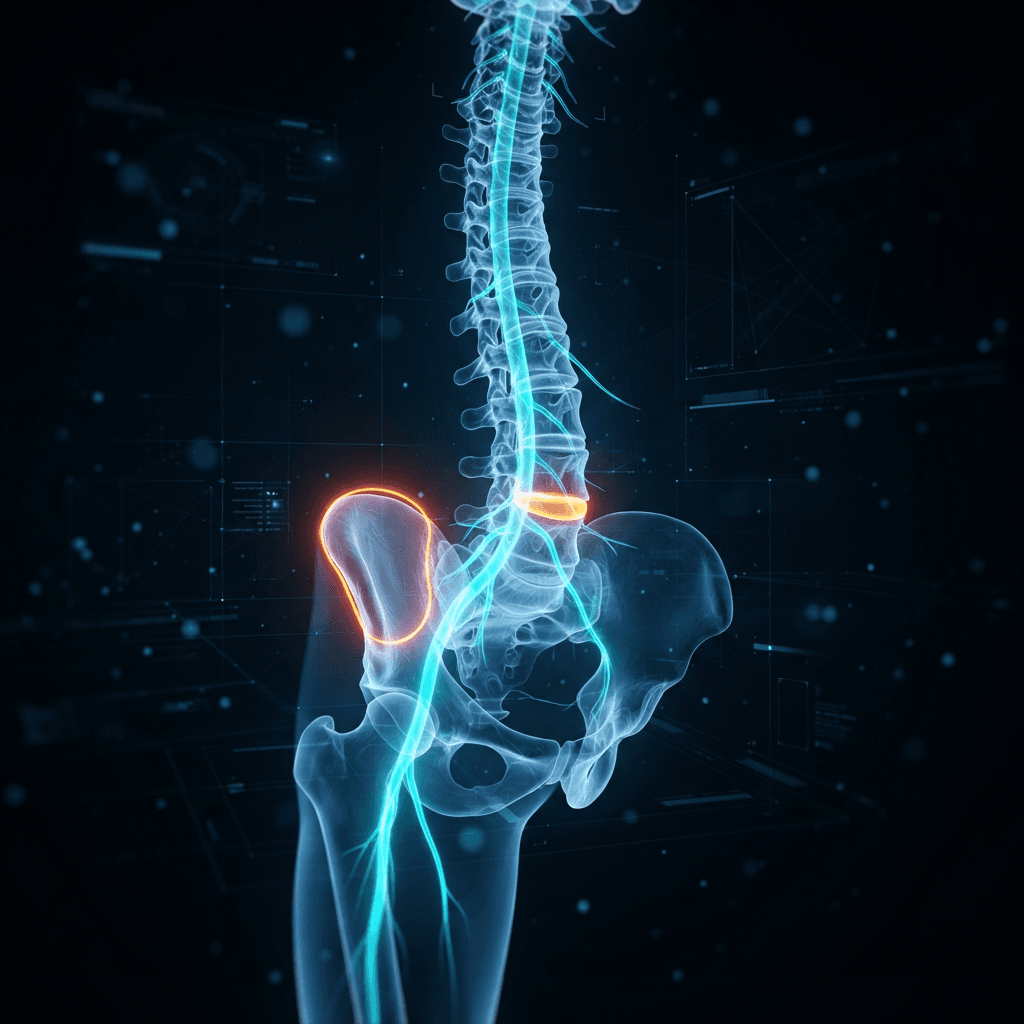
The lower spine holds up your entire upper body, which makes it highly prone to wear and tear. Stiffness centered in the spine, or a sharp, shooting pain that travels into the buttock and leg, can start in several different structures. Pinning down the exact source is always the first step toward the right plan. The sacroiliac (SI) joint, where the spine meets the pelvis, is a common and often overlooked culprit because its symptoms look so much like disc and facet problems.
What may be behind it
- A herniated or worn disc
- Spinal stenosis
- Sciatica from an irritated nerve root
- Facet joint wear
- Sacroiliac (SI) joint dysfunction
- Muscle strain, myofascial pain or piriformis syndrome
Get checked if you notice
- Pain or stiffness lasting more than a few days, or that keeps returning
- Pain traveling into the buttock or leg
- Numbness, tingling or weakness in a leg
- Pain that limits sitting, standing, walking or sleep
- Pain that continues after back surgery
Options your physician may discuss: physical therapy, epidural injection, facet joint injection, radiofrequency ablation, sacroiliac joint injection and PRP therapy.
Seek urgent care: back pain with loss of bladder or bowel control, numbness in the groin, rapidly worsening leg weakness, fever, or pain after a serious fall or accident.
Deep-Dive Patient Resource
Low Back Pain: Causes and Treatment Options in Queens.
Deep-Dive Patient Resource
Sacroiliac Joint Injections: Relief for Low Back, Buttock and Pelvic Pain.
Neck Pain, Stiffness & Headaches
Your neck supports the weight of your head and moves all day long, so it is easy for discs, joints, nerves and muscles to become irritated. A stiff neck, pain that radiates into the shoulder or arm, or headaches that start at the base of the skull can quietly take over work, driving and sleep.
What may be behind it
- A herniated or worn disc, or a pinched nerve root (cervical radiculopathy)
- Facet joint arthritis, bone spurs and age-related wear
- Muscle strain, myofascial pain and whiplash
- Cervicogenic headache and occipital neuralgia
Get checked if you notice
- Neck stiffness or limited movement lasting more than a few days
- Pain that radiates into the shoulder or arm
- Numbness, tingling or weakness in the hand
- Headaches that start at the base of the skull
- Pain that keeps returning or disturbs sleep
Options your physician may discuss: physical therapy, epidural injection, facet joint injection, radiofrequency ablation, trigger point injection and PRP therapy.
Seek urgent care: neck pain after a serious fall or accident, sudden weakness in the arms or legs, trouble with balance or hand coordination, or neck stiffness with fever.
Deep-Dive Patient Resource
Neck Pain: Causes and Treatment Options in Queens.
Lingering Injuries After an Auto Accident
Car accident injuries do not always announce themselves right away. Adrenaline can mask pain at the scene, and soft tissue injuries like whiplash often take hours or days to fully show, even after a low-speed collision. Getting evaluated within the first few days, ideally within about 72 hours, helps catch hidden problems early and creates a clear medical record of when your symptoms began, which matters for New York no-fault timelines.
Common injuries after a collision
- Whiplash and neck (cervical) strain
- Herniated or bulging discs and nerve root compression
- Facet joint problems in the neck or back
- Shoulder and low back soft tissue injuries
- Sacroiliac joint dysfunction
- Post-concussion headaches and dizziness
What to do in the first days
- Get safe and call 911 if anyone is hurt
- Document the accident: photos, information, police report number
- See a doctor even if you feel fine, and report every symptom
- Notify your insurer. No-fault paperwork generally has a 30-day window
- Follow your plan and keep records of visits, symptoms and missed work
Options your physician may discuss: care is built in stages: evaluation, imaging when it will change the plan, active treatment (such as epidural, facet joint and trigger point injections, radiofrequency ablation, PRP and prolotherapy) and recovery with physical therapy and acupuncture. The clinic accepts no-fault insurance, and its billing team helps with pre-authorizations and claim submissions.
Seek urgent care: severe pain, loss of consciousness or sudden weakness after a crash. Seek emergency care.
Deep-Dive Patient Resource
Injured in a Car Accident in New York? What to Do and How Treatment Works.
Chronic Knee Discomfort & Stiffness
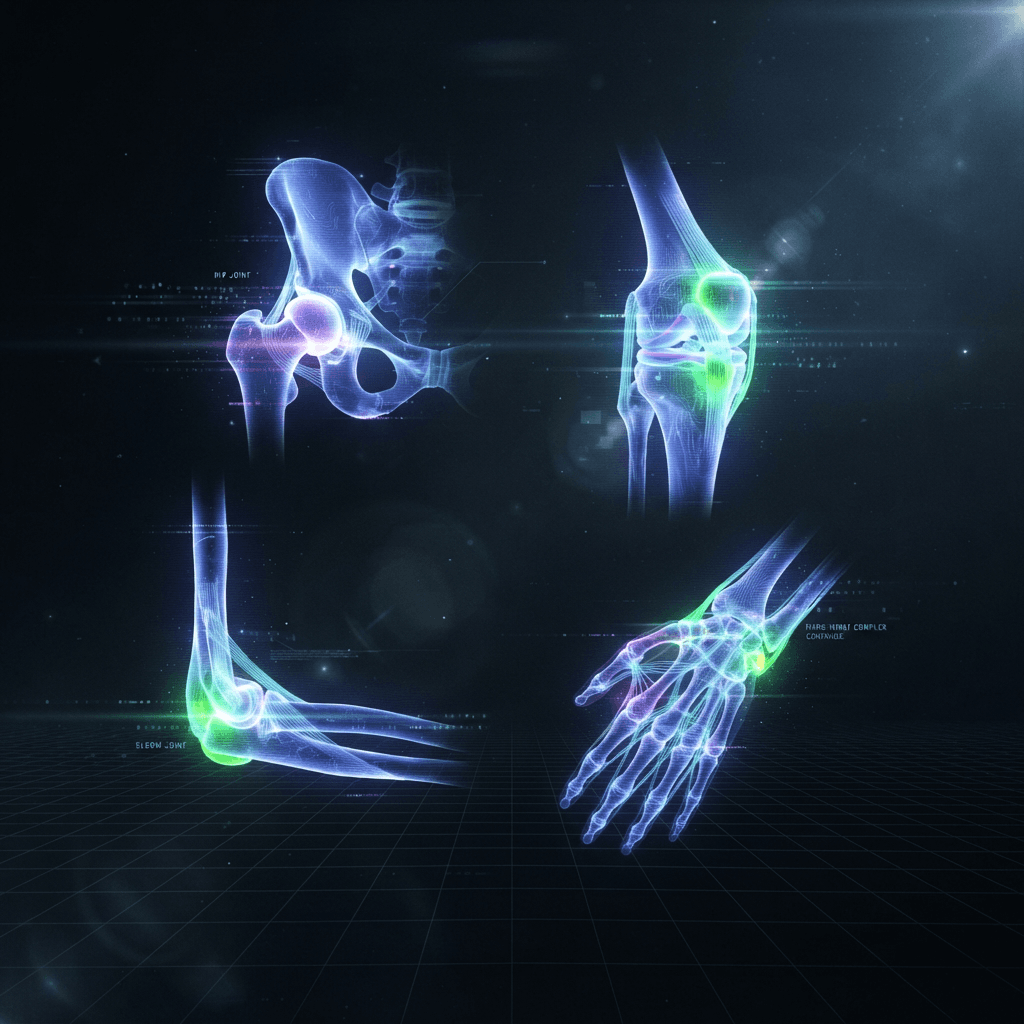
Your knees carry your body weight and move constantly, so joint wear like osteoarthritis is incredibly common. But swelling, catching, or a knee that feels like it might give way can also point to a torn meniscus, an irritated tendon or even a nerve problem referred from the lower back. Non-surgical, outpatient options can offer a window of comfort so you can rehabilitate without a hospital stay.
What may be behind it
- Osteoarthritis, kneecap pain (patellofemoral syndrome) and cartilage wear
- Meniscus tears and ACL, PCL, MCL or LCL injuries
- Patellar tendinopathy, bursitis and Baker's cyst
- IT band syndrome, irritated nerves or pain referred from the lower back
Get checked if you notice
- Swelling or stiffness that does not settle
- A knee that locks, catches or gives way
- Pain walking, climbing stairs or rising from a chair
- Flare-ups of arthritis pain
- Pain lasting more than a few days or that keeps returning
Options your physician may discuss: physical therapy, PRP therapy, prolotherapy, radiofrequency ablation of the small nerves that carry knee pain signals, and corticosteroid or hyaluronic acid joint injections.
Arthritis is usually managed over time rather than cured, and some injuries or advanced joint damage may need a surgeon.
Seek urgent care: severe pain after an injury, an inability to bear weight, a visibly deformed knee, or a hot, red, swollen joint with fever.
Deep-Dive Patient Resource
Knee Pain: Causes and Treatment Options in Queens.
Hip and Groin Stiffness
Hip pain does not always start in the hip. True hip joint pain is often felt deep in the groin or buttock, while pain on the outer hip is frequently a soft tissue problem like bursitis or tendon irritation. A pinched spinal nerve or a sacroiliac joint problem can mimic hip pain too. Telling joint damage, muscular problems and nerve irritation apart ensures your treatment targets the true source of your mobility issues.
What may be behind it
- Inside the joint: arthritis, a labral tear or femoroacetabular impingement (FAI)
- Trochanteric bursitis, gluteal or hip flexor tendon problems
- Piriformis syndrome, meralgia paresthetica or sciatic nerve compression
- A disc problem, irritated spinal joints or SI joint dysfunction
Get checked if you notice
- Pain on the outer hip, in the groin or deep in the buttock
- Pain spreading down the leg like sciatica
- Trouble walking, climbing stairs or sleeping on your side
- A hip that feels unstable, catches or clicks
- Pain lasting more than a few days
Options your physician may discuss: physical therapy, PRP therapy, prolotherapy for hip instability, sacroiliac joint injection, hip joint and bursa injections, and piriformis injection.
Non-surgical care may not be enough for advanced joint damage, and your physician can tell you when to see a surgeon.
Seek urgent care: severe pain after a fall, being unable to bear weight, or a hot, swollen joint with fever.
Deep-Dive Patient Resource
Hip Pain: Causes and Treatment Options in Queens.
Weak Grip & Elbow Pain
The elbow is a relatively small joint that handles an enormous amount of daily work. Tendon problems like tennis elbow (outer side) or golfer's elbow (inner side) can weaken your grip, while nerve conditions like cubital tunnel syndrome can send numbness or tingling down into your fingers. Even a pinched nerve in the neck can show up as elbow and arm pain, which is why a clear diagnosis comes first.
What may be behind it
- Tennis elbow, golfer's elbow, biceps or triceps tendon irritation
- Cubital tunnel or radial tunnel syndrome
- Olecranon bursitis, arthritis and ligament sprains
- A pinched nerve in the neck
Get checked if you notice
- Pain lasting more than a few days or that keeps returning
- Weaker grip or trouble with everyday tasks
- Numbness or tingling in your fingers
- Swelling, warmth or redness at the back of the elbow
- Limited motion that does not ease with rest
Options your physician may discuss: physical therapy, PRP therapy, prolotherapy, ultrasound-guided injections at the tendon or bursa, and nerve-focused care.
Seek urgent care: severe pain after a fall or injury, an elbow that looks deformed, or fever with a hot, swollen joint.
Deep-Dive Patient Resource
Elbow Pain: Common Causes and Treatment Options in Queens.
Hand & Wrist Numbness
Your hands and wrists pack an intricate network of nerves, tendons and tiny joints into a very tight space, so they are prone to compression and overuse injuries. Carpal tunnel syndrome can cause numbness that wakes you at night, while trigger finger makes a finger physically catch or lock. Similar symptoms can also come from the elbow or neck, so a careful exam matters.
What may be behind it
- Carpal tunnel syndrome and Guyon's canal syndrome
- De Quervain's tenosynovitis and trigger finger
- Arthritis in the wrist or base of the thumb, or a TFCC tear
- A pinched nerve in the neck or an inflammatory condition
Get checked if you notice
- Numbness or tingling in your fingers, especially at night
- Weaker grip or pinch, or dropping things
- A finger that catches, snaps or locks
- Pain at the base of the thumb or side of the wrist
- Pain or swelling lasting more than a few days
Options your physician may discuss: physical therapy (nerve gliding, tendon loading, splinting, ergonomic advice), PRP therapy, prolotherapy, ultrasound-guided carpal tunnel and trigger finger injections, and nerve hydrodissection, which places fluid around an irritated nerve to ease it without surgery.
Seek urgent care: severe pain after a fall or injury, visible deformity, or a hand that is cold, pale or numb. Some conditions, such as a broken bone, need different care.
Deep-Dive Patient Resource
Hand and Wrist Pain: Causes and Treatment Options in Queens.
Overlooked Nerve and Spinal Joint Pain (The Epidural vs. Facet Dilemma)
When back or neck pain strikes, it usually comes from one of two very different sources: an irritated spinal nerve or a worn-out spinal joint, called a facet joint. Neither injection is better overall. The right one depends on where your pain comes from, and neither is a cure. Both aim to reduce pain and inflammation so you can move and rehabilitate.
Epidural Steroid Injection
- Calms inflammation around irritated or compressed nerve roots
- Best suited to pain, numbness or tingling that spreads into an arm or leg, such as sciatica
- Used for herniated discs, spinal stenosis and pain after back surgery
- Relief often begins within days and can last from weeks to several months
Facet Joint Injection
- Targets the small paired joints that connect your vertebrae
- Best suited to neck or back pain that stays in the spine and worsens leaning back or twisting
- Not suited to pain that travels below the knee or comes from a nerve root
- The numbing medicine can help show whether the joint is the pain source
When injections wear off: if relief from a facet joint injection keeps fading, a diagnostic block can confirm the pain source. Radiofrequency ablation then uses gentle heat to quiet the small medial branch nerves that carry pain signals from the joint, with relief often lasting many months and sometimes more than a year. Physical therapy helps protect the benefit.
Seek urgent care: fever, spreading redness or swelling at an injection site, a severe headache, new weakness or numbness, or loss of bladder or bowel control. Tell your physician about blood thinners, diabetes, infection, pregnancy or past reactions to contrast dye, steroids or anesthetics.
Deep-Dive Patient Resource
Epidural Injection vs. Facet Joint Injection: What's the Difference? (Side-by-side comparison guide)
Deep-Dive Patient Resource
Epidural Steroid Injections: A Non-Surgical Option for Back and Leg Pain.
Deep-Dive Patient Resource
Facet Joint Injections: Targeted Relief for Neck and Back Pain.
Deep-Dive Patient Resource
Radiofrequency Ablation: Longer-Lasting Relief for Spine and Joint Pain.
Root Cause
Beyond the Body Area: Treatments That Go After the Root Cause
Pain rarely has a single cause, so it rarely responds to a single treatment. A procedure can calm pain enough for physical therapy to rebuild strength and movement, which helps relief last. These approaches are often used together, and your physician will help you choose what fits your diagnosis and goals.
Physical Therapy: Rebuild Strength and Movement
Medication and procedures can quiet pain, but weak muscles, stiff joints and poor movement patterns often keep it going. Physical therapy addresses those causes directly. A therapist measures how you move, builds a plan around your goals and teaches you how to protect your body in daily life, aiming for fewer flare-ups and a lower chance of needing more invasive care later.
Visits are typically two to three times a week, and programs often run four to eight weeks. Your plan can include manual therapy, therapeutic exercise, neuromuscular re-education, dry needling, the McKenzie Method and movement analysis, and you finish with a personalized home program. Therapy works especially well after an injection, when pain has eased enough to exercise more comfortably.
Deep-Dive Patient Resource
Physical Therapy for Pain: Rebuilding Strength and Movement.
Regenerative Injections: PRP Therapy and Prolotherapy
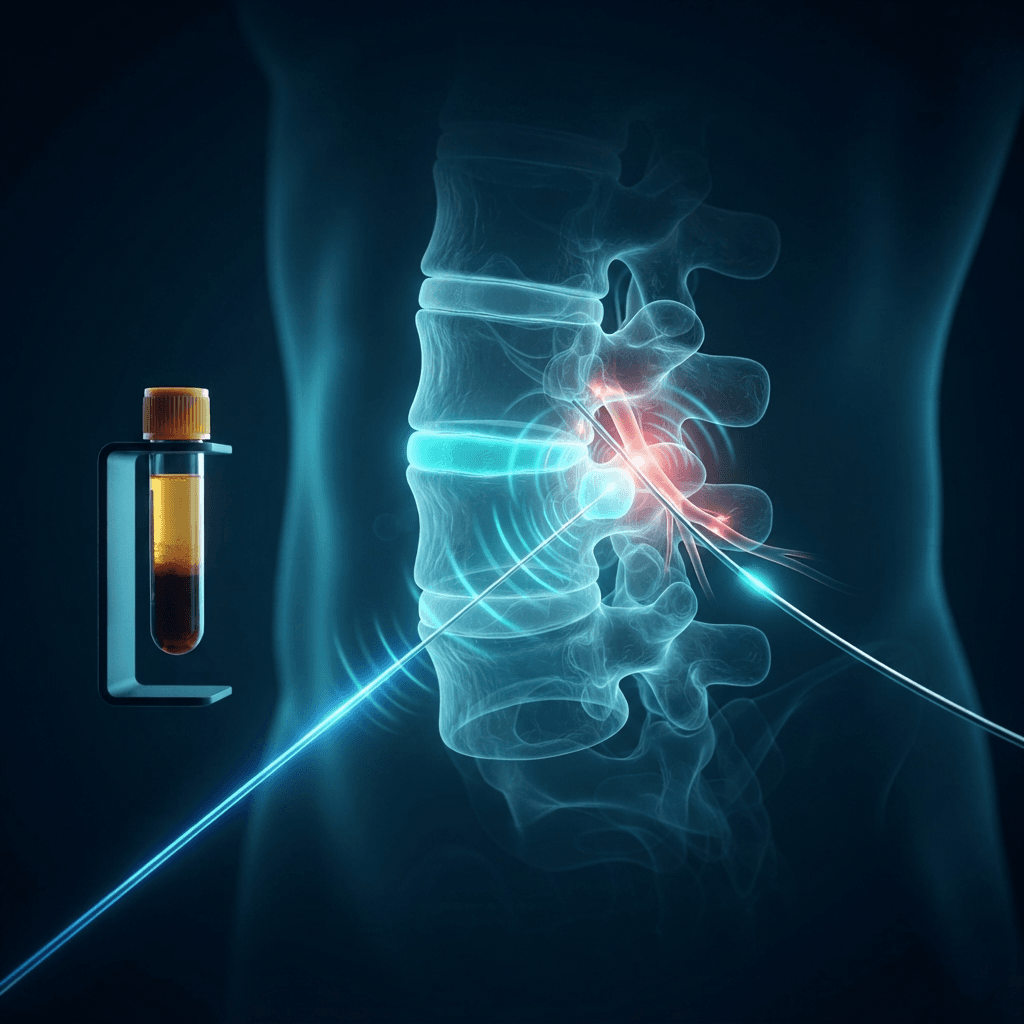
PRP (platelet-rich plasma) therapy starts with a small blood draw. The sample is spun to concentrate platelets, which carry growth factors that support tissue repair, and the concentrate is injected at the injured area. Many people need one to three injections. Prolotherapy injects a dextrose solution at loose or overworked ligaments, tendons and joint capsules to prompt the body's own repair response. A course is commonly three to six sessions spaced about four to six weeks apart.
In general, PRP is favored when a tendon or joint needs concentrated growth factors, while prolotherapy is favored when ligament weakness or instability drives the pain. Both work gradually, over weeks to months. Evidence is stronger for some conditions than others, results vary, and many insurance plans do not cover these treatments, so ask the office to check your benefits first.
Deep-Dive Patient Resource
PRP Therapy: Using Your Own Blood to Support Healing.
Deep-Dive Patient Resource
Prolotherapy: Helping Strained Ligaments and Tendons Heal.
Deep-Dive Patient Resource
PRP Therapy vs. Prolotherapy: What's the Difference? (Side-by-side comparison guide)
Peripheral Nerve Stimulation: For Stubborn, Single-Nerve Pain
When pain is tied to one specific nerve and medication, injections or therapy have not been enough, peripheral nerve stimulation (PNS) may help. A thin electrode placed next to the targeted nerve delivers mild electrical pulses that interfere with pain signals. It is drug-free, and the best part is that you can try it first: a trial with an external stimulator for about one to two weeks shows how you respond before any permanent implant is considered.
It is considered for localized nerve pain such as occipital neuralgia, CRPS, nerve pain after surgery or injury, peripheral neuropathy and genicular nerve pain in the knee. As with any implanted device there are risks, and not everyone benefits, which is why the trial matters.
Deep-Dive Patient Resource
Peripheral Nerve Stimulation: A Drug-Free Option for Stubborn Nerve Pain.
Looking for a Comprehensive, Drug-Free Alternative?
If you are living with long-term pain and want to avoid adding another daily medication to your routine, medical acupuncture may be a worthwhile option to add to your care plan. Supervised directly by a physician at our clinic, medical acupuncture uses hair-thin, single-use sterile needles, and dry needling targets tight knots in muscle called trigger points. Researchers believe acupuncture may influence how the nervous system processes pain, relax tight muscles and improve local circulation, though the exact mechanisms are still being studied. The evidence is strongest for chronic low back pain, neck pain, osteoarthritis and headaches. A typical course is 8 to 12 sessions of about 20 minutes over four to six weeks, and it pairs well with physical therapy and targeted injections.
Deep-Dive Patient Resource
Acupuncture for Pain Relief: What to Expect and Who It Can Help.
Why does chronic pain concentrate in certain parts of the body?
Areas that carry heavy loads, move often or have complex nerve supply, such as the spine, shoulders, hips and knees, are more prone to wear, injury and nerve irritation. Over time the nervous system can also become more sensitive, which keeps pain going after the original problem has settled.
Can pain in one area actually come from another?
Yes. Referred pain is common. A pinched nerve in the neck can cause arm pain, and SI joint problems can feel like low back or hip pain. A physical exam and, when needed, imaging help find the true source.
When does pain become "chronic"?
Pain is generally called chronic when it lasts longer than about three months, or beyond the normal healing time for an injury.
When should I see a doctor?
See a doctor for pain that lasts more than a few weeks, keeps you from daily activities, follows an injury, or comes with numbness, weakness, fever, or loss of bladder or bowel control. Seek urgent care for sudden severe pain or symptoms like these.
Take the Next Step Toward Lasting Relief
You do not have to put off the hobbies and activities you love because of chronic pain. If you are ready to stop masking your symptoms and look for a lasting, non-surgical path forward, our specialized team is here to build a customized plan tailored to your body.
Call Queens Pain Clinic today: 1-877-97 NO PAIN (1-877-976-6724)
Schedule your appointment online
Visit us in Rego Park: 9701 66th Ave, Rego Park, NY 11374
Clinic hours: Monday, Tuesday, Thursday, Friday 9:00 am - 6:00 pm | Sunday 9:00 am - 3:00 pm (closed Wednesday and Saturday)
Our billing team accepts New York No-Fault auto policies and workers' compensation, and will happily verify your standard health insurance benefits before your first visit.
This article is for information only and is not medical or legal advice. Individual results vary. Talk with a qualified physician before starting any treatment, and with an attorney about legal questions.